
Article
Begin with the role, not the name
A high-profile guest does not automatically improve a brand event. Define what the person needs to do: perform, host, demonstrate skill, lead a conversation, create content or help build credibility with a specific community. That role determines the selection criteria. A technical demonstration, a youth tournament and a premium dinner require different profiles.
Evaluate relevance beyond popularity
Compare audience fit, professional credibility, live-stage experience, language, availability and alignment with brand values. Digital follower numbers may help distribution, but they do not prove attendance, trust or conversion. When an artist belongs to a local scene, consult that community and avoid treating cultural participation as a decorative add-on.
Put rights and deliverables in writing
A complete agreement distinguishes appearance time, rehearsal, performance length, filming permissions, image usage, territorial scope, usage duration, posting obligations and exclusivity. It also identifies cancellation rules, travel requirements, technical riders and the point of contact for changes. Never assume that an appearance fee automatically includes unlimited advertising rights.
Production is part of talent management
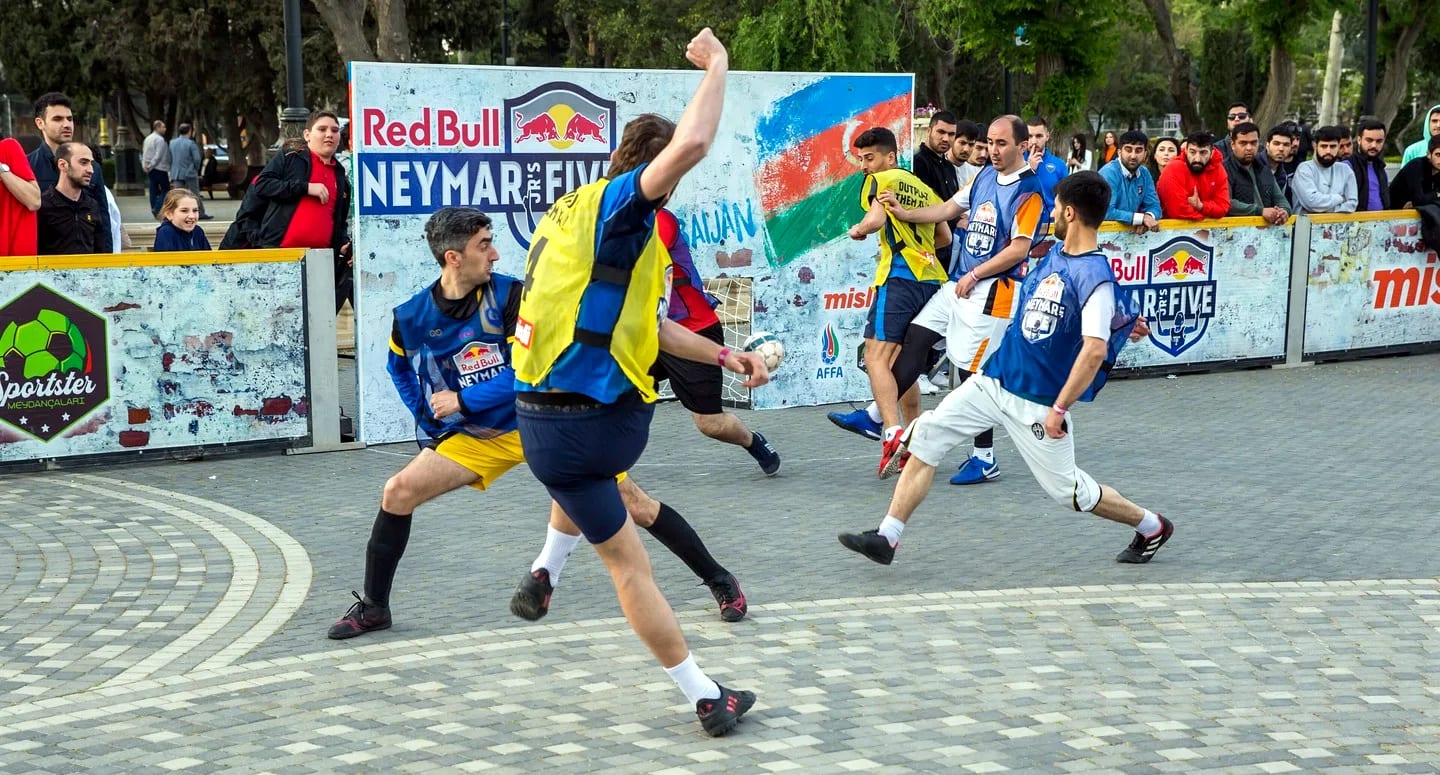
Guest arrivals, stage transitions, sound checks, crowd interaction and safety arrangements shape whether a collaboration works in practice. For example, MVP Agency’s Red Bull Neymar Jr’s Five project illustrates how sporting participation, visual identity, programme flow and the audience experience need to be coordinated as one format.
A better way to shortlist talent
Create a shortlist with a proposed role, evidence of fit, technical needs, rights required, risks and an indicative budget range. Only then compare names. MVP’s Athletes & Artists catalogue can support discovery, but each proposed engagement still requires individual availability, commercial and rights verification.