
Article
Decide what the content needs to prove
Event photography is often commissioned late, with the instruction to capture everything. That creates a large folder but not necessarily useful material. Start with the intended outputs: a client report, press imagery, a short highlight film, speaker excerpts, vertical social clips, team documentation or future case studies. Each output needs different shots, formats and permissions.
Build a shot list around the guest journey
Plan coverage of the venue before opening, branding in context, arrival, key programme moments, audience interaction, close-up product details and the final atmosphere. Include clean establishing frames as well as human moments. The shot list should identify priority scenes, times, locations and a responsible person able to brief the production team.
Technical delivery matters
Agree on horizontal and vertical capture, audio recording, colour treatment, file naming and deliverable formats. Confirm whether final assets include edited selects, raw files, transcripts, captions and short-form versions. For interviews or stage talks, establish audio feeds and microphone permissions in advance. A good event clip with poor sound is often unusable.
Approvals, rights and privacy
Brand owners, venue operators, artists, speakers and guests may have different rights and expectations. Define who approves each deliverable, what can be posted publicly and whether any participant requires consent or anonymity. Sponsorship and branded content should be credited correctly. Avoid releasing sensitive presentation slides or private guest information in a highlight video.
Think beyond the event date
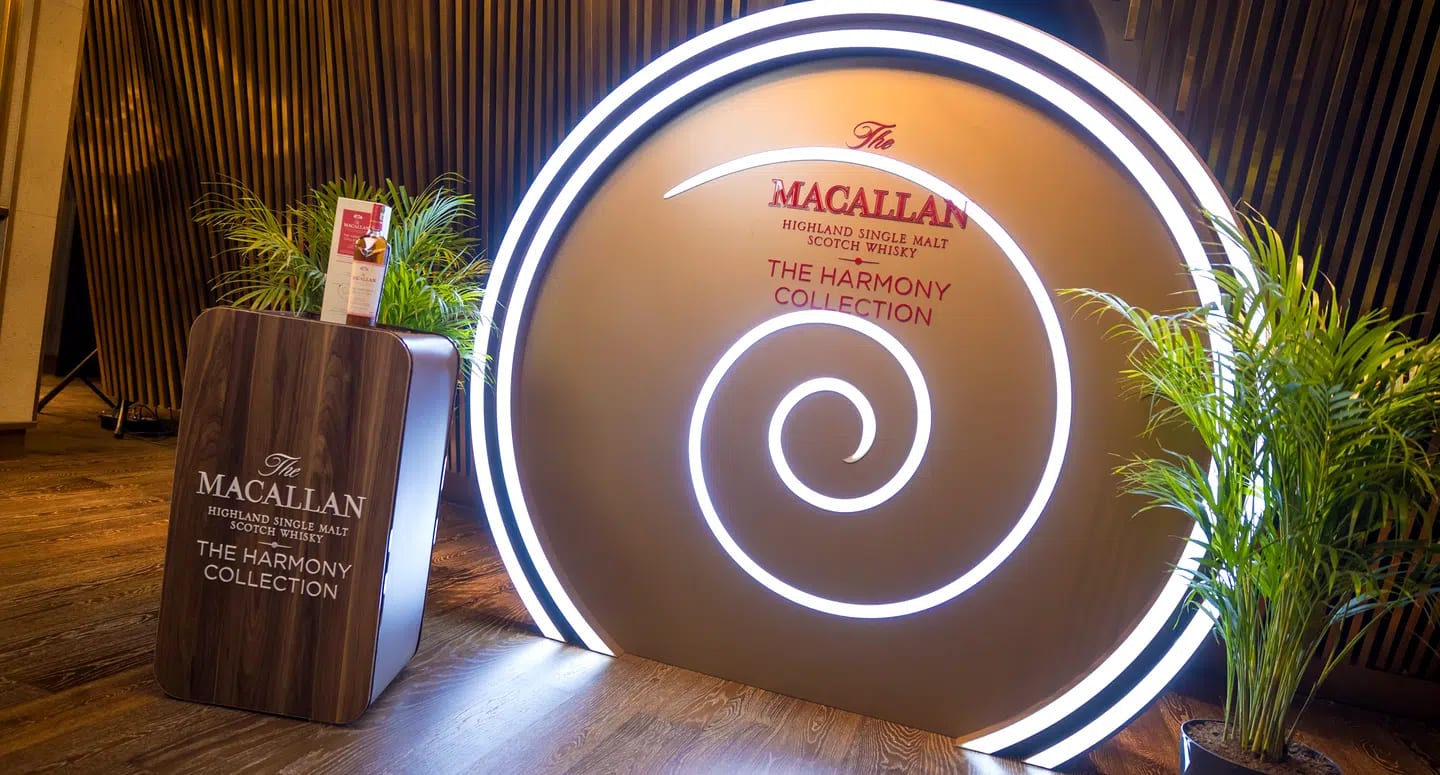
A purposeful content plan supports an immediate recap, later insights, sales presentations and a long-term archive. The Macallan Harmony Collection case illustrates the importance of visually consistent details in a premium guest journey. MVP Agency’s Creative & Digital and Production teams can plan content alongside the event, not as an afterthought.