
Article
Start with the change you want to create
A full venue is not automatically a successful brand activation. A company might need stronger partner understanding, product trial, qualified leads, employee participation or positive brand recall. The first measurement decision is therefore not which dashboard to use, but what behaviour or perception should change. Agree on the objective and its evidence before designing the experience.
Before the event: set a baseline
Document the audience segments, target numbers, registration quality and the starting level of knowledge or preference when relevant. Define how each metric will be collected and who owns the data. Registration forms, attendance scanning, short surveys and CRM records serve different purposes. They should not be presented as interchangeable measures.
During the event: track meaningful participation
Distinguish invited guests, registrations, actual attendees and unique participants in activities. For product demonstrations, note completed trials and questions asked. For B2B programmes, record substantive meetings only where consent and reporting rules allow. A production dashboard can also monitor session timing, entry flow and incidents; these are operational signals, not proof of commercial impact.
After the event: measure the next action
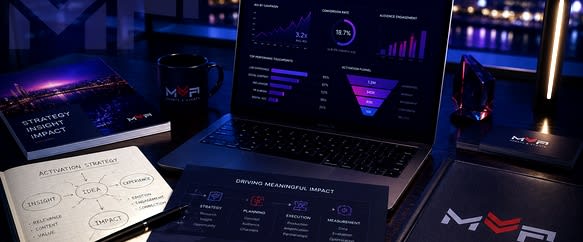
Send a concise follow-up to the appropriate audience and record qualified enquiries, meetings requested or product actions where measurable. Separate video views from unique reach, and digital engagement from business conversion. The MVP analysis of underperforming activations explains why a visually successful event can still miss the original objective.
Build a useful report, not a vanity scoreboard
A reliable final report should identify the objective, baseline, observed result, data source, limitations and recommended action. If no comparable baseline exists, state that openly. The event should generate learning that improves the next brief and budget. See MVP Agency’s Avrora Group product education case for an example of aligning a live format with a defined audience need.